The Small Business Content Strategy for the AI Search Era

Small businesses are still debating whether to invest in SEO. Meanwhile, GEO and AEO have quietly entered the room.

And the question worth asking right now is: does any of this actually matter if you are running a local bakery, a two-person law firm, or a neighbourhood fitness studio?
The short answer is yes. But not in the way most marketing gurus make it sound.

First, let us clear something up.

SEO is not dying. It is evolving. Search engines are still the backbone of how people find businesses online. But the way those search engines present results has changed significantly.

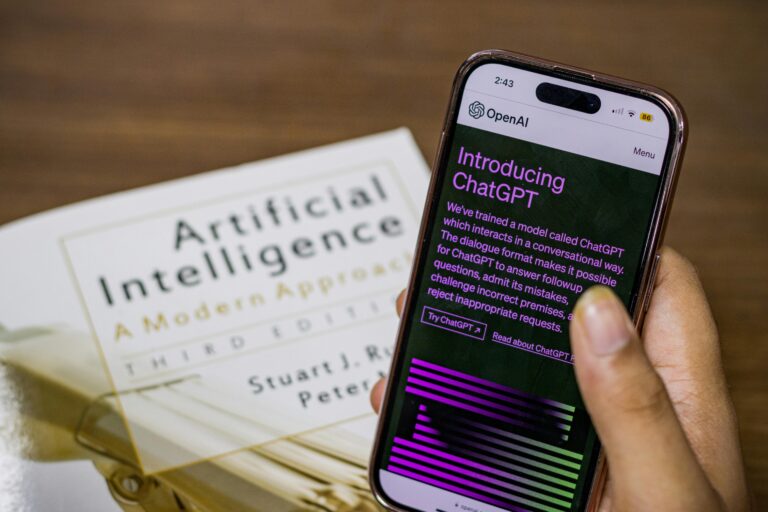
GEO (Generative Engine Optimisation) is about making your content visible inside AI-generated answers, the kind you see on ChatGPT, Perplexity, and Google’s AI Overviews.

AEO (Answer Engine Optimisation) is about structuring your content so it directly answers specific questions, the kind that get pulled into featured snippets, voice search results, and AI responses.

For small businesses, both of these are opportunities, not threats. Because the businesses that show up in AI-generated answers are almost always the ones with clear, trustworthy, well-structured content, and that is something any small business can build.

So will SEO lose its significance?

Not entirely. But purely chasing rankings without thinking about how AI surfaces information is a strategy that will age poorly. The businesses that win in the next three to five years will be those that treat SEO, GEO, and AEO not as separate tactics but as one connected content philosophy. Rank well, answer clearly, and build authority. That combination still works, and it works especially well for small businesses that serve specific communities and niches.
4 Content Strategies Small Businesses Should Focus On Right Now

Use these practical approaches to build your online presence and reach more local customers through search and AI.

1. Double Down on Local SEO

Local search is one of the most underleveraged tools for small businesses. You can signal your relevance to search engines and AI by maintaining an active Google Business Profile, gathering real reviews, and mentioning your specific neighborhood in your content.

Aiming for a hyper-local phrase like “Best physiotherapist in Brooklyn Heights” is far more effective and easier to rank for than a broad term like “best physiotherapist in the USA.”

2. Build FAQ-Style Content Around Real Customer Questions

AEO rewards businesses that answer questions directly and clearly. Think about the ten questions your customers ask most often before making a purchase or booking. Turn each of those into a focused piece of content on your website. Short, specific, and structured. This is the content that gets pulled into AI answers and voice search results.

3. Create Content That Establishes Topical Authority

Rather than writing one generic blog post about your industry every few months, go deep on a handful of topics that are directly relevant to your business. A small accounting firm that regularly shares clear advice on tax planning for freelancers builds authority with Google and AI tools much faster than one that posts random, unrelated content. Use a consistent theme to prove your expertise.

4. Use Conversational, Human Language in Everything You Publish

AI tools are trained to surface content that reads naturally and answers questions the way a knowledgeable human would. Keyword-stuffed, robotic content is becoming less effective by the month. Write for people first. Use the words your customers actually use. Explain things simply. This one shift alone can improve how your content performs across SEO, GEO, and AEO simultaneously.

The best way for small businesses to move forward?

Stop treating marketing as a set of disconnected tactics and start building a content foundation that works across all three. Update your local listings. Answer your customers’ questions in writing.

Build authority in your niche. And be consistent, because in a world where AI tools are increasingly deciding who gets seen, the businesses with the clearest, most trustworthy, most human content will always have an edge.

The tools are changing. The fundamentals are not.

4 Content Strategies Small Businesses Should Focus On Right Now

Use these practical approaches to build your online presence and reach more local customers through search and AI.

1. Double Down on Local SEO

Local search is one of the most underleveraged tools for small businesses. You can signal your relevance to search engines and AI by maintaining an active Google Business Profile, gathering real reviews, and mentioning your specific neighborhood in your content.

Aiming for a hyper-local phrase like “Best physiotherapist in Brooklyn Heights” is far more effective and easier to rank for than a broad term like “best physiotherapist in the USA.”

2. Build FAQ-Style Content Around Real Customer Questions

AEO rewards businesses that answer questions directly and clearly. Think about the ten questions your customers ask most often before making a purchase or booking. Turn each of those into a focused piece of content on your website. Short, specific, and structured. This is the content that gets pulled into AI answers and voice search results.

3. Create Content That Establishes Topical Authority

Rather than writing one generic blog post about your industry every few months, go deep on a handful of topics that are directly relevant to your business. A small accounting firm that regularly shares clear advice on tax planning for freelancers builds authority with Google and AI tools much faster than one that posts random, unrelated content. Use a consistent theme to prove your expertise.

4. Use Conversational, Human Language in Everything You Publish

AI tools are trained to surface content that reads naturally and answers questions the way a knowledgeable human would. Keyword-stuffed, robotic content is becoming less effective by the month. Write for people first. Use the words your customers actually use. Explain things simply. This one shift alone can improve how your content performs across SEO, GEO, and AEO simultaneously.

The best way for small businesses to move forward?

Stop treating marketing as a set of disconnected tactics and start building a content foundation that works across all three. Update your local listings. Answer your customers’ questions in writing.

Build authority in your niche. And be consistent, because in a world where AI tools are increasingly deciding who gets seen, the businesses with the clearest, most trustworthy, most human content will always have an edge.

The tools are changing. The fundamentals are not.